


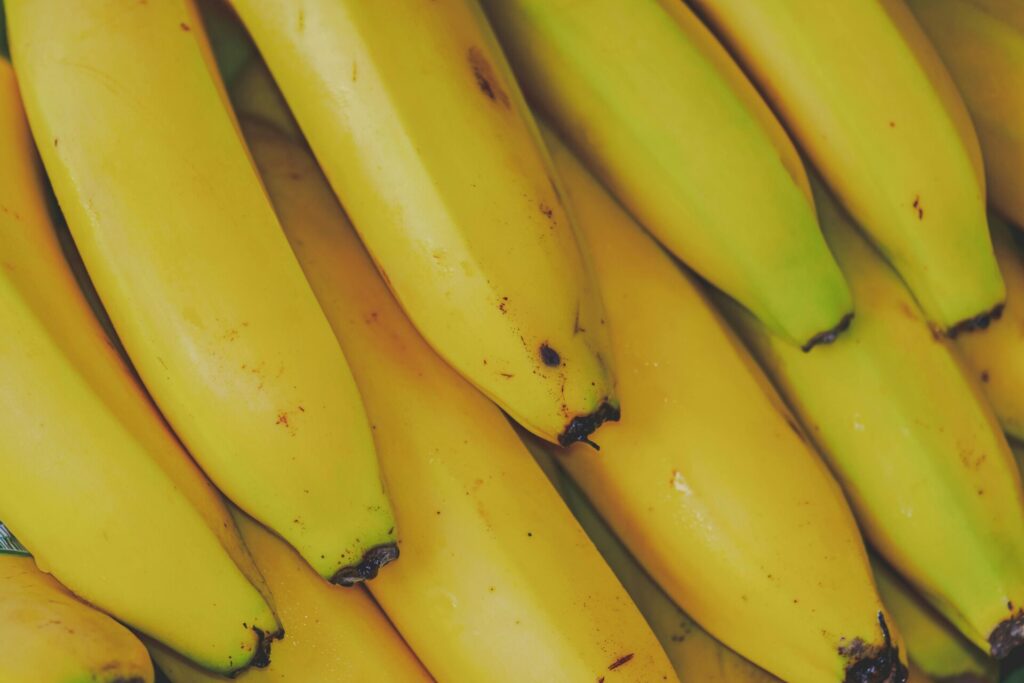
1. General Nutritional Profile of Bananas
Bananas are known globally as one of the most nutritious fruits. A typical 100-gram serving of fresh banana contains approximately 89 kcal, 23 g of carbohydrates, 2.6 g of dietary fiber, and about 1.1 g of protein. Bananas are also rich in potassium, magnesium, vitamin B6, and antioxidants.
Bananas are easily digested and quickly provide energy due to their natural sugars. Green bananas contain resistant starch, which gradually converts to sugars as the fruit ripens. This process affects sweetness, texture, and nutritional properties.
2. Common Banana Varieties and Their Nutritional Differences
Cavendish Banana
As the most widely traded banana variety globally, Cavendish bananas provide a balance of carbohydrates, potassium, and vitamin B6. They are mild in flavor and used extensively for export.
Lady Finger Banana
Lady Finger bananas are smaller and sweeter, with a fragrant aroma and thin peel. They contain high levels of carotenoids — including approximately 315 μg of beta-carotene per 100 g — making them beneficial for eye and skin health. They are also known for resistance to some banana diseases.
Red Banana
Red bananas, such as the Kamalapur Red variety, are notable for their high levels of calcium, iron, potassium, vitamin C, and dietary fiber. Their natural sweetness and bright color indicate rich antioxidant content, making them popular in health-focused diets.
Taqua Banana
Taqua bananas are very large, with thin skin and a distinctive local flavor. They are calorie-dense and contain high levels of vitamins A, C, and B6, as well as minerals like magnesium and potassium. They are traditionally recommended for individuals with high blood pressure or bone health concerns.
3. Health Benefits of Bananas
-
Digestive health: Resistant starch and fiber support gut microbiota and digestion.
-
Electrolyte balance: High potassium helps regulate blood pressure and supports muscle function.
-
Quick energy boost: Suitable for athletes or physically active individuals.
-
Mental health: Vitamin B6 supports neurotransmitter production.
-
Antioxidant protection: Some varieties are rich in carotenoids and phenolic compounds.
4. Tips for Eating Bananas
-
Choose bananas based on ripeness: green for lower sugar and more resistant starch; ripe for quick energy.
-
Avoid excessive consumption, especially of very ripe bananas.
-
Store bananas properly — refrigerate ripe bananas to extend shelf life (though the peel may darken).